
A young friend called me one day in a panic. He was overwhelmed with doubts about the Christian faith, he told me, and he did not know what to do. I asked about the content of his doubts. He replied that he was doubting everything, including the existence of God, the nature of Jesus, and the reliability of the biblical text.
I asked my young friend, who had recently been leading a ministry to twenty-somethings in our community, how long he had been having these doubts. He had been dealing with them for some time. I asked him what he had done about his doubts, and learned that he had been watching YouTube videos, mostly by atheists, who addressed the very issues he was facing.
I discovered that my friend was excited by his doubts. He felt like he was living dangerously. He was ready to separate from his parent’s religion and to escape its moral code.
His doubts began over the appropriateness of same-sex sexual relationships, spread to the six-day creation teaching his parents espoused, stumbled into politics, and then overflowed into everything else he thought he knew about Christianity. He began to deconstruct the faith he had been taught. He ended by denouncing it.
I don’t think the trailhead leading to my friend’s atheism started with his doubts; it started with unhealthy and largely unrecognized desires, like the desire to outshine others. The seeds of doubt would not have been harmful had they been planted in healthier soil. Everyone doubts, but some people doubt wisely while others doubt foolishly.
I owe the phrase, “Doubt wisely,” to the English Romantic poet John Donne. Besides being one of England’s greatest poets, Donne was also a member of Parliament and, later, Dean of St. Paul’s Cathedral. This famous preacher and church leader believed that doubt plays an important role in the human search for truth.
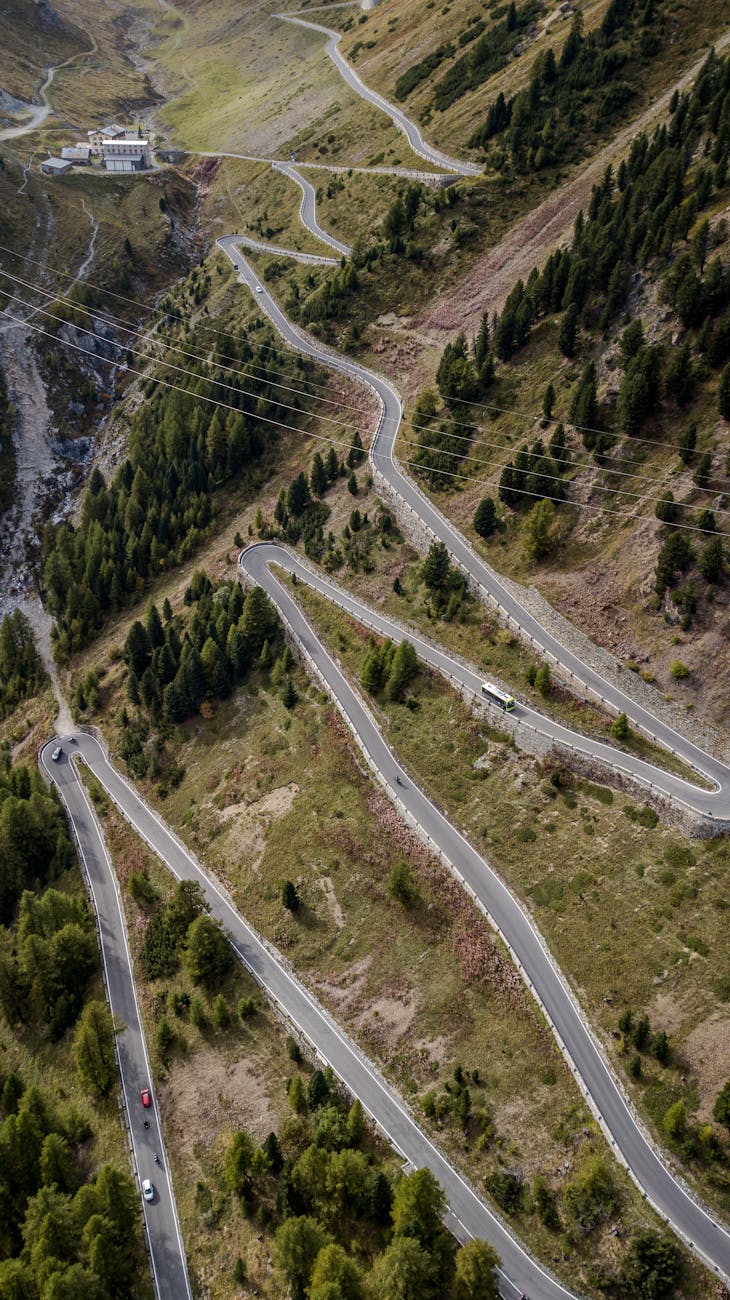
According to Donne, truth, like a craggy mountain peak, is difficult to attain. Those who reach her “about must and about must go.” There is no straight path up the mountain of truth for us. It is rather a switchback on which one must inevitably confront doubts. Doubts, like great boulders on the path, may safely be encountered when one is searching for the truth. But they will crush the person who is avoiding, or trying to manage, the truth.
My friend did not doubt wisely. He did not attempt to research the things he had been taught, to find out if they were sourced in the biblical writings, or if they were add-ons supplied by society. For example, instead of rejecting his parent’s faith because it was associated in his mind with the acceptance of a political party’s candidate, he could have discovered what the Bible actually teaches about leaders. Instead of listening to what YouTubers say about a six-day creation, he could have read what the Bible says, and learned how reputable scholars have explicated its key passages.
Instead, he listened to what aggressive atheists claimed the Bible says—people whose education was practically devoid of biblical scholarship. My friend was not wrong to doubt, but he failed to doubt wisely.
He assumed that his Christian parents were naïve. Whether he was right or wrong about that, I don’t know. But he was wrong to think that all Christians are naïve, while other people – including those he watched on YouTube – are clearheaded, logical thinkers.
The great English man of letters Malcolm Muggeridge was right when he claimed that we are living in one of the most gullible ages ever. But Muggeridge went further than that. He claimed that the serious believer is less likely to be gullible than the worldly person. True believers can carefully examine their doubts since they know they are standing on solid ground. The worldly person, carried on the shifting currents of contemporary thought, must cling to the flotsam of today’s transitory ideology.
To “doubt wisely” one must first believe wisely. People, standing on God’s revelation, aided by the eyewitness testimony of the apostles, to which they have added their own experiential proofs, have a body of evidence that helps them believe wisely and, paradoxically, doubt wisely.


 The Way Home
I appreciate the thoughts on doubt. Thankful for you and your love for our God.
-Serena
LikeLike
Thanks, Serena – and likewise!
LikeLike
I’ve learned to stop listening when I hear “Did God really say?”
LikeLike
Wise!
LikeLike