
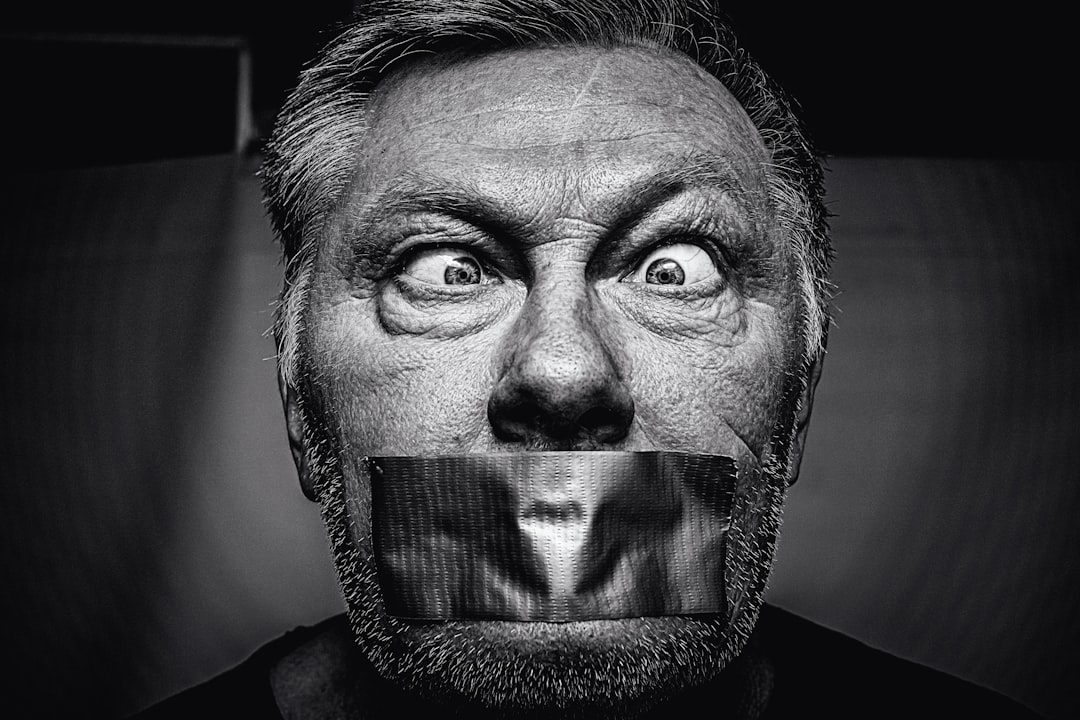
It is an epidemic, perhaps even a pandemic, and we are all at risk. The speed at which it has spread has been astounding; what its outcome will be, no one knows. A plague of foul speech – profanity, vulgarity, and insult – has swept across our country and our world. By some accounts, the public use of vulgarity started in Europe, but it has now engulfed the United States and infected countries all over the world.
How has this plague spread? Largely, through the internet, which provides anonymity to some and safe distance for others. A person who only swore privately in his own home forty years ago can now broadcast his profanity from his home to the rest of the world with only a keystroke.
When the infamous “Watergate Tapes” were made public, Richard Nixon was embarrassed and humiliated because the public learned of the foul language that he routinely used in private. Americans did not expect that from their president. They thought he was better than that.
Fast-forward fifty years. The current president has become America’s Vulgarian-in-Chief. Though he did not start this plague, he has made it worse by routinely using foul language in speeches, interviews, and posts. An analysis of President Trump’s communications during his first and second terms shows an increase in his public use of profanity and vulgarity that tops one hundred percent. Defenders claim that this crudity displays the president’s authenticity. Had Richard Nixon’s supporters tried using that line to defend him, they would have been laughed to scorn.
Now that the use of vulgar language has received the president’s imprimatur, both his supporters and his opponents have been emboldened in their use of profanity, condemnation, insult, and threat. (Threats against public officials’ families have increased, according to the Homeland Security Today, by 3700% between 2015 and 2025.)
Vulgarity is not a sign of authenticity. It is a sign of anger and contempt. Wherever these are found, there is a concomitant decrease in respect – respect for institutions like government, media, and the church and, more immediately, respect between individuals. This is most evident in attitudes toward people who are not like us: immigrants, people with a different skin color, another political party, another religion. But it is naïve to think it will stop there. Once contempt has taken root, it will infect every relationship in a person’s life.
Someone who disrespects and shows contempt to a politician can drift easily into disrespecting a parent, spouse, or child. We like to think that we disrespect people because they are not respectable, but we deceive ourselves. Disrespect does not come from outside us. It does not originate in the character of the other person but in our own, where like a cancer it grows and threatens the health of our relationships and the soundness of our hearts.
Lack of respect, which manifests in crudeness, abuse, and vulgarity, does not show up in a heart where humility is present. Put another way, the noxious weeds of crudeness, abuse, and vulgarity cannot grow in the soil of humility. The azaleas you plant around your house may fail to grow even though the clematis is swallowing up the fence and climbing your neighbor’s tree. The soil that produces the one cannot produce the other. A heart that is rich in humility will produce respect, while contempt will die there. On the other hand, when pride fills the heart, contempt grows wildly, but respect withers and dies.
Followers of Jesus should recoil from disrespect, contempt, and vulgarity even when it is aimed at their enemies. They must determine to show respect even when others do not, even when others are not respectable. Jesus said that the world would recognize us as his disciples by our love. Along the same line, John said that we will recognize ourselves as his by our love (1 John 3:14). We will never recognize ourselves as belonging to him, that is, we will never be assured of our salvation, by vulgarity and contempt.


